


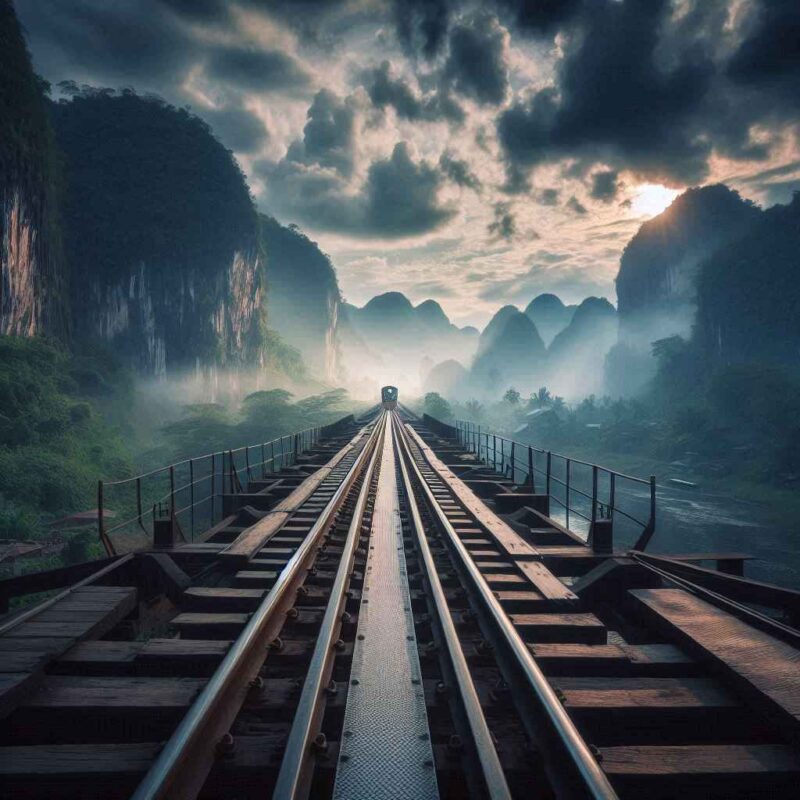
Uncover the haunting history of the Kanchanaburi Death Railway. Walk the tracks where Allied POWs and Asian civilians toiled under brutal conditions during WWII. Journey through a dark past, honor the fallen, and learn their stories.
A Haunting Journey Through Time: Unveiling the Secrets of the Kanchanaburi Death Railway
The verdant landscapes and serene beauty of Kanchanaburi belie a darker past. Beneath the lush canopy of rainforest and the gentle flow of the River Kwai lies a story etched in steel and sacrifice – the infamous Kanchanaburi Death Railway. This isn’t your ordinary train ride; it’s a haunting journey through history, a poignant reminder of human resilience in the face of unimaginable hardship.
Imagine yourself stepping back in time, transported to the brutal realities of World War II. The air hangs heavy with the echo of hammering and the clang of pickaxes as thousands of Allied Prisoners of War (POWs) and Asian civilians toil under the scorching sun. The grueling task – constructing a railway line connecting Thailand and Burma (now Myanmar) – becomes a grueling test of human endurance.
This wasn’t just a railway; it was a symbol of conquest, a desperate attempt by the Japanese Imperial Army to secure a vital supply line during the war. But the human cost was staggering. Over 100,000 laborers perished during the railway’s construction, succumbing to disease, malnutrition, and brutal working conditions. The Kanchanaburi Death Railway isn’t just a historical landmark; it’s a somber testament to the darkest chapters in human history.
Kanchanaburi Death Railway: A Haunting Journey Through History
The verdant landscapes and serene beauty of Kanchanaburi belie a darker past. Beneath the lush canopy of rainforest and the gentle flow of the River Kwai lies a story etched in steel and sacrifice – the infamous Kanchanaburi Death Railway. This isn’t your ordinary train ride; it’s a haunting journey through history, a poignant reminder of human resilience in the face of unimaginable hardship.
Unveiling the Dark Past of the Thailand-Burma Railway
The year is 1942. War grips the world, and Southeast Asia becomes a battleground. The Japanese Imperial Army, seeking to secure a crucial supply route to Burma (now Myanmar), embarks on a project of astonishing ambition – the construction of a railway line connecting Thailand and Burma.
This seemingly straightforward undertaking quickly takes a sinister turn. The Japanese force Allied Prisoners of War (POWs) from various countries, including Britain, Australia, the Netherlands, and the United States, along with a staggering number of Asian civilians, into forced labor.
Driven by the brutal efficiency of the Japanese military, these laborers faced unimaginable hardships. Working under the scorching sun and in perilous conditions, they toiled with rudimentary tools, carving a path through dense jungles and treacherous mountains. Disease, malnutrition, and exhaustion became constant companions, claiming countless lives.
Estimates suggest that over 100,000 laborers perished during the construction of the railway – a chilling testament to the human cost of war. The Kanchanaburi Death Railway stands not just as a feat of engineering, but as a somber reminder of the darkest chapters in human history.
Honoring the Fallen: A Tribute to POWs and Civilian Workers
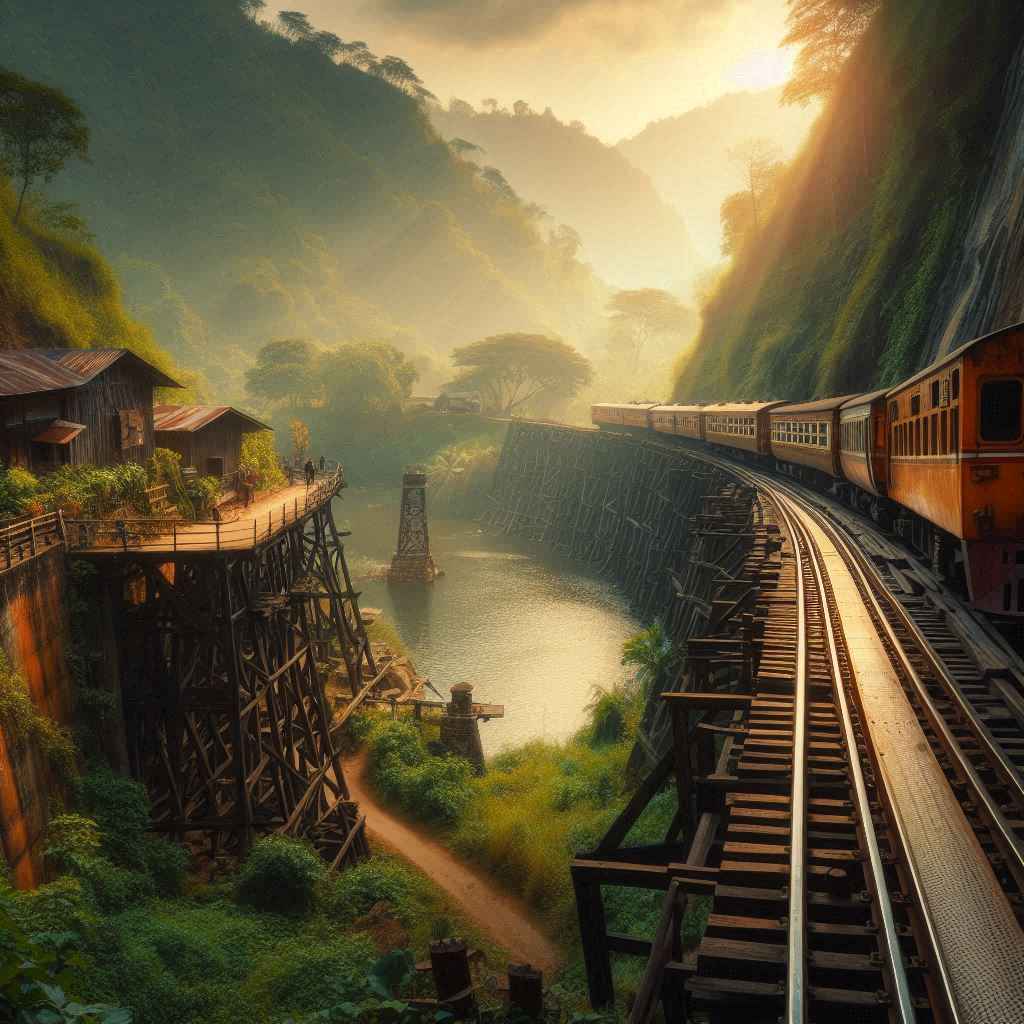
The Kanchanaburi Death Railway isn’t just a historical landmark; it’s a place of profound respect and remembrance. Scattered along the railway route lie several memorials dedicated to those who lost their lives during construction.
The Kanchanaburi War Cemetery, a serene expanse of manicured lawns and white headstones, serves as the final resting place for nearly 7,000 Allied POWs. Here, visitors can pay their respects and learn the stories of fallen soldiers from various nationalities. Each headstone whispers a tale of sacrifice and unimaginable courage.
Hellfire Pass, a particularly treacherous section of the railway notorious for its brutal working conditions, now serves as a memorial park. Visitors can walk along the original railway path, witnessing the harsh terrain and gaining a deeper understanding of the challenges faced by the laborers.
These memorials are more than just historical sites; they are testaments to the enduring human spirit. They ensure that the stories of the POWs and civilian workers, their suffering, and their resilience are not forgotten.
Explore the Open Road with Ease: Book Your Car Rental Today!
Embark on your next adventure with the freedom and flexibility of a rental car. Our extensive fleet of vehicles, convenient locations, and hassle-free booking process ensure a seamless and enjoyable rental experience.
Click here to browse our selection of cars and reserve your rental today!
Preserving the Legacy: Museums and Memorial Sites Along the Railway
Beyond the solemn memorials, Kanchanaburi offers a wealth of resources dedicated to preserving the legacy of the Death Railway. Museums and historical sites provide a deeper understanding of the construction process, the lives of the laborers, and the historical context surrounding the project.
The Thailand-Burma Railway Centre, a privately owned museum in Kanchanaburi, offers a comprehensive exhibit showcasing artifacts, photographs, and personal stories of POWs and Asian workers. Visitors can gain insight into the daily lives of the laborers, the working conditions they endured, and the tools they used.
The JEATH War Museum, located near the Hellfire Pass memorial park, delves into the broader context of World War II in Southeast Asia. Here, visitors can learn about the strategic importance of the railway project for the Japanese and the Allied efforts to disrupt its construction.
Engaging in these educational experiences allows visitors to not only appreciate the historical significance of the Kanchanaburi Death Railway but also to develop a deeper empathy for the individuals whose lives were forever changed by this harrowing project.
A Glimmer of Humanity Amidst the Darkness: Acts of Courage and Compassion
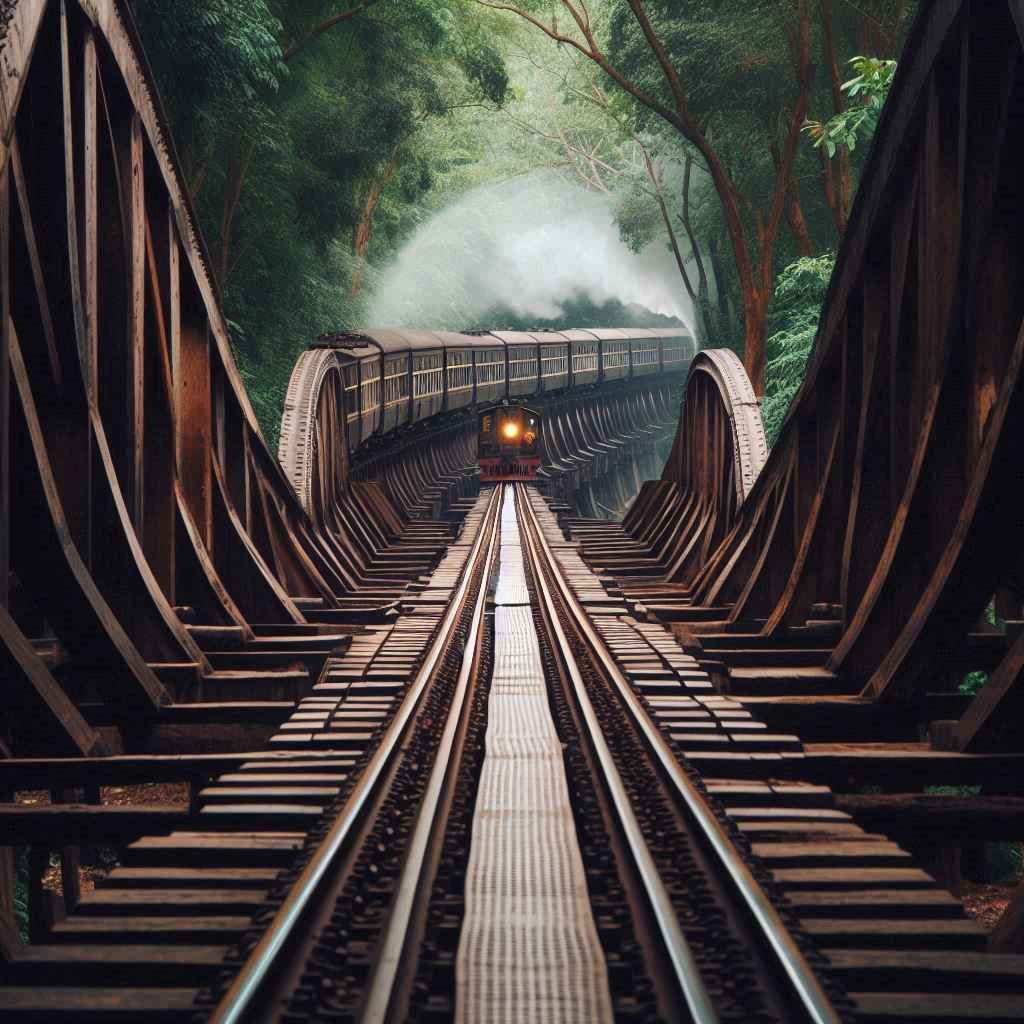
The story of the Kanchanaburi Death Railway isn’t solely a narrative of hardship and suffering. Woven within this dark tapestry are remarkable tales of courage, compassion, and human resilience. Despite the brutal conditions, both POWs and civilian laborers found ways to resist and maintain a sense of hope.
Acts of Defiance: Some laborers engaged in acts of subtle resistance, sabotaging construction efforts or delaying work. Others, at great personal risk, smuggled supplies and messages to Allied forces. These acts of defiance, however small, served as a powerful testament to the human spirit’s refusal to be entirely broken.
Unexpected Allies: The plight of the laborers didn’t go unnoticed by all Thai people. Local villagers, risking their own safety, provided food, medicine, and even shelter to the exhausted workers. These acts of kindness, defying the harsh realities of the war, offered a glimmer of hope and a reminder of basic human decency amidst the darkness.
The Power of Community: Facing a common enemy, laborers from diverse backgrounds forged bonds of camaraderie and support. Sharing stories, songs, and cultural practices in their native languages helped them maintain a sense of identity and community. This solidarity served as a vital source of strength, allowing them to endure the physical and emotional hardships they faced.
By acknowledging these acts of resilience, the Kanchanaburi Death Railway ceases to be solely a symbol of suffering. It becomes a testament to the human capacity for courage, compassion, and the enduring spirit of hope, even in the face of unimaginable darkness.
Echoes of the Past: Experiencing the Kanchanaburi Death Railway Today
The Kanchanaburi Death Railway stands today as a powerful reminder of a dark chapter in history. But it’s not just a static monument frozen in time. The railway continues to be an active route, transporting passengers along a portion of the original line. Taking a train ride on the Kanchanaburi Death Railway offers a unique and thought-provoking way to experience this complex history.
As the train winds its way through the lush landscapes, passengers can see remnants of the original construction, including cuttings carved through mountains and bridges spanning rivers. These tangible reminders serve as a stark contrast to the serene beauty of the surrounding environment.
A Journey of Reflection: The train ride isn’t just a scenic tour; it’s an opportunity for introspection and reflection. Gazing upon the scenery, one can’t help but imagine the grueling labor that went into building this railway. The rhythmic clatter of the train wheels seems to echo the footsteps of those who toiled here, a haunting reminder of their sacrifice.
Respectful Exploration: With the rise in tourism, it’s crucial to approach the Kanchanaburi Death Railway with respect. This isn’t simply a tourist attraction; it’s a place of immense historical significance and a final resting place for many. Visitors are encouraged to dress modestly and maintain a respectful demeanor when visiting memorials and historical sites.
Engaging with Local Communities: Exploring the Kanchanaburi Death Railway offers an opportunity to connect with the local communities who continue to live in the shadow of this historical event. Visiting local markets, speaking with vendors, and learning about their experiences can provide a more nuanced understanding of the region’s past and present.
The Kanchanaburi Death Railway isn’t just a historical landmark; it’s a living testament to human resilience and the enduring power of memory. While the train journey offers a glimpse into the past, it also compels visitors to contemplate the power of compassion, the importance of peace, and the enduring hope for a brighter future.
Unforgettable Journeys Await: Experience the Thrill of Car Rental
From scenic road trips to exploring hidden gems, a rental car opens up a world of possibilities. With our competitive rates, reliable vehicles, and 24/7 customer support, you’re guaranteed a memorable journey.
Plan your adventure and book your rental car now!
5 Lessons Learned from the Kanchanaburi Death Railway: A Legacy for the Future
The Kanchanaburi Death Railway serves as a stark reminder of a brutal past. However, it also offers valuable lessons that resonate profoundly in the present day. By understanding the experiences of those who endured the construction of this railway, we can gain a deeper appreciation for the following:
- The Power of Human Spirit: In the face of unimaginable hardship and suffering, the laborers of the Kanchanaburi Death Railway demonstrated remarkable resilience. Their acts of defiance, however small, and their unwavering commitment to survival are a testament to the indomitable human spirit. This lesson reminds us of our own inner strength and the importance of perseverance when faced with challenges.
- The Value of Compassion: While the project was overseen by a brutal regime, there were also instances of unexpected compassion. Local villagers risked their own safety to offer aid to the laborers, reminding us of the power of human kindness in the darkest of times. This lesson emphasizes the importance of empathy and understanding, encouraging us to extend a helping hand to those in need.
- The Importance of Peace: The Kanchanaburi Death Railway stands as a stark reminder of the devastating consequences of war. The countless lives lost during its construction highlight the immense value of peace. This lesson compels us to actively work towards peaceful resolutions and strive for a world free from conflict.
- The Fragility of Life: The sheer scale of human loss associated with the Death Railway underscores the preciousness of life. It reminds us to cherish every moment and make the most of the time we have. This lesson encourages us to live with purpose and gratitude.
- Remembering the Past: The Kanchanaburi Death Railway serves as a crucial reminder of a dark chapter in human history. By studying this event and honoring the fallen, we work towards ensuring that such tragedies are never repeated. This lesson emphasizes the importance of historical memory and its role in preventing future atrocities.
The Kanchanaburi Death Railway isn’t just a tourist destination; it’s a powerful learning ground. By reflecting on the experiences that unfolded here and the lessons they offer, we can strive for a more compassionate, peaceful, and hopeful future.
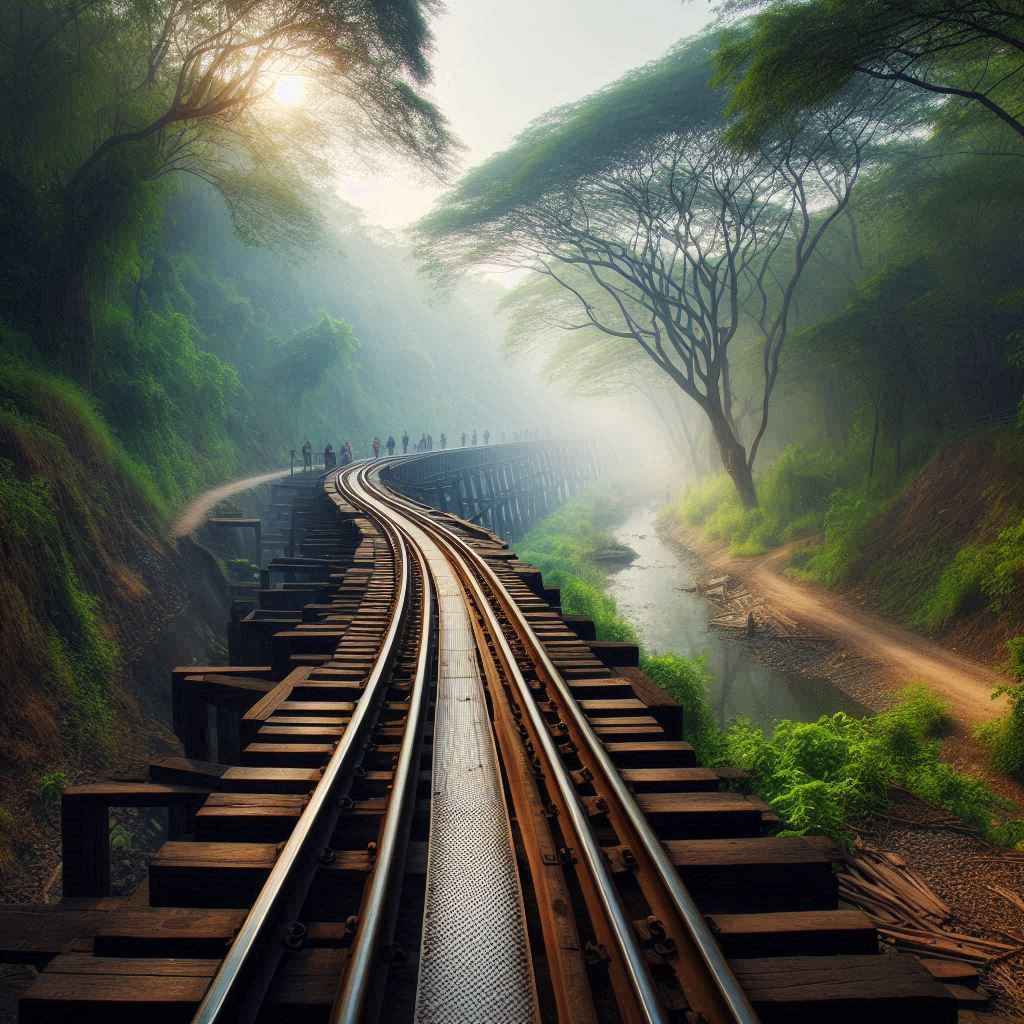
The Kanchanaburi Death Railway stands as a haunting echo of the past, a stark reminder of human suffering and sacrifice. However, this somber journey through history transcends mere remembrance. It challenges us to confront the darkness of the human capacity for cruelty while simultaneously illuminating the indomitable spirit of hope and compassion.
As you disembark from the train, the serenity of the present-day landscape may seem at odds with the stories of hardship etched into the very foundation of the railway. This juxtaposition serves as a powerful invitation. We are called upon to not only remember the past but to actively translate its lessons into meaningful action in the present.
The legacy of the Kanchanaburi Death Railway compels us to promote understanding and empathy across cultures and ethnicities. We must strive to build bridges, not just of steel and concrete, but of respect and dialogue. Let the stories of the laborers remind us that human beings, regardless of background, share a fundamental desire for peace and dignity.
Furthermore, the Kanchanaburi Death Railway serves as a call to action to actively work towards a world free from conflict. The cost of war, as exemplified by the countless lives lost on this unforgiving stretch of track, is simply too high. By engaging in peaceful diplomacy and fostering international cooperation, we can create a future where such tragedies become a distant memory.
Ultimately, the Kanchanaburi Death Railway isn’t just a historical landmark; it’s a potent symbol of the human capacity for both immense destruction and enduring resilience. By visiting this place, we honor the memory of the fallen while acknowledging the unwavering spirit of those who survived. As we move forward, let the lessons of the Kanchanaburi Death Railway serve as a guiding light, illuminating a path towards a more peaceful, compassionate, and hopeful future.
#KanchanaburiDeathRailway #WWIIHistory #HauntingJourneys
Delving Deeper into the Kanchanaburi Death Railway: Unveiling the Stories and Significance
The Kanchanaburi Death Railway, a haunting reminder of World War II’s atrocities, stands as a testament to human resilience amidst unimaginable hardship. As you embark on this poignant journey through history, you’ll encounter stories of courage, compassion, and the enduring power of the human spirit. To further delve into the rich history and significance of this remarkable site, here are three compelling external resources:
-
The Kanchanaburi War Cemetery: This poignant cemetery serves as the final resting place for over 6,000 Allied prisoners of war who perished during the construction of the Death Railway. Walking among the meticulously maintained graves offers a profound connection with the sacrifices made during this dark chapter of history.
-
The Thailand-Burma Railway Centre: This museum provides a comprehensive overview of the Death Railway’s construction, showcasing artifacts, photographs, and interactive exhibits that bring history to life. Through these immersive displays, you’ll gain a deeper understanding of the laborers’ experiences and the immense scale of this engineering feat.
-
The Book: “Railway Man” by Eric Lomax: This captivating memoir, penned by a British POW who survived the Death Railway’s construction, offers a firsthand account of the horrors endured and the enduring psychological impact of the experience. Lomax’s poignant narrative provides a personal and intimate perspective on the human cost of war.
Drive into Savings: Exclusive Car Rental Deals for You
Enjoy the convenience and affordability of car rental without breaking the bank. Our special offers and discounts make it easy to find the perfect rental car for your needs and budget.
Don’t miss out on these incredible savings! Book your rental car today!
